 Fraunhofer-Gesellschaft | Morgenstadt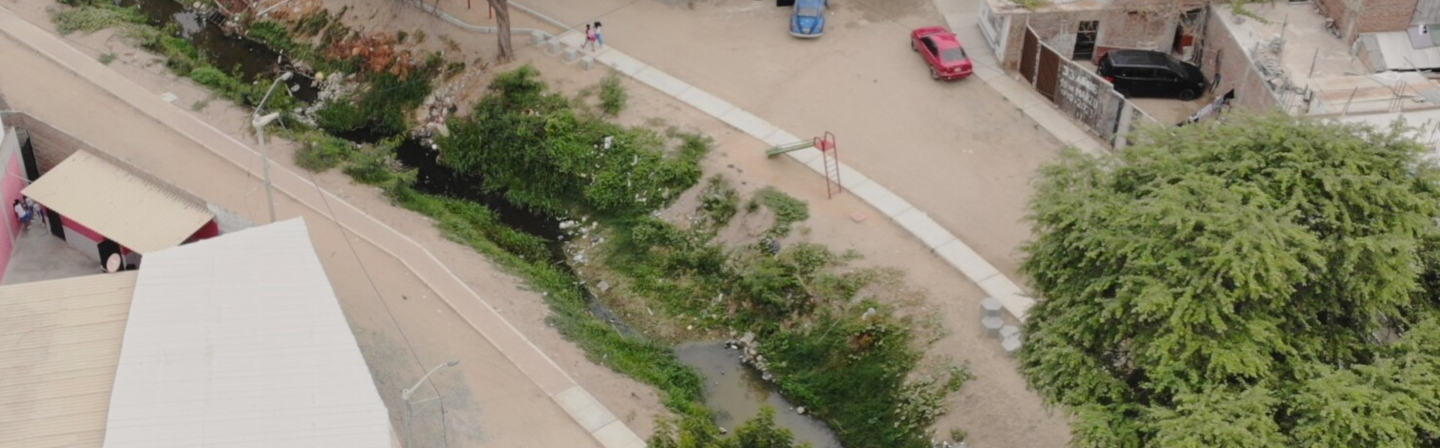
City Lab Piura
Information about Piura
Piura is a city in northwestern Peru, located in the Sechura Desert. Due to its geographic location, the city is highly vulnerable to the negative effects of climate change. With one of the highest population growth rates in Peru and many informal and unplanned structures, Piura faces major challenges in urban planning and resource management. For example, one-quarter of the waste produced daily is not collected, leading to the creation of many illegal dumps that pose health risks to local residents. The project in Piura aims to carry out strategic planning using GIS and digital tools, demonstrate how to convert small illegal dumps into new green spaces, and promote citizen participation and environmental education through participatory processes. The expected impacts and benefits include the elimination of landfills, the optimization of water resources, the cooling of urban heat islands, the creation of new gathering places for citizens, and the promotion of environmentally conscious behaviors.
The MGI project ran from December 2018 to June 2023. The overarching goal was to analyze and develop sustainable development strategies with a focus on climate change for the three participating cities: Kochi in India, Piura in Peru, and Saltillo in Mexico. Using the City-Lab method developed by Fraunhofer IAO, the key challenges and opportunities in each city were identified through participatory processes and interviews with key local stakeholders. The key findings from the analysis were incorporated into the development of three proposals for pilot projects (one for each participating city), which are intended to serve as test beds for improvements and innovations in the participating cities to address the identified challenges. Below is a summary of the challenges and the pilot project in each city.