 Fraunhofer-Gesellschaft | Morgenstadt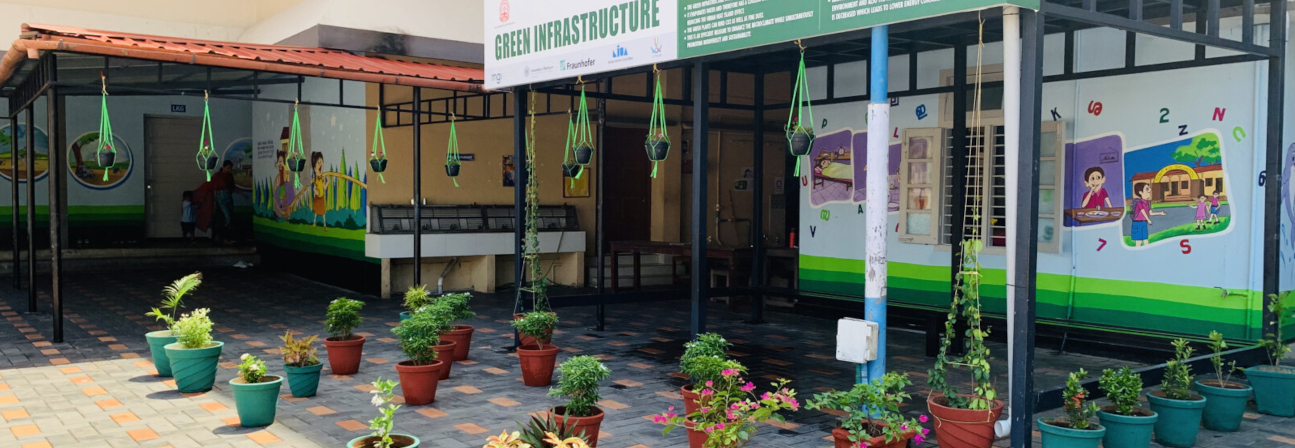
City Lab Kochi
Information about Kochi
Kochi is located in southwestern India, in the state of Kerala on the Malabar Coast. Due to its location and geographical characteristics, the city is increasingly exposed to the risks of climate change, including floods, cyclones, and landslides, as well as rising temperatures and changing precipitation patterns. The project in Kochi aims to increase the share of renewable energy through solar power, thereby reducing CO2 emissions and improving the city’s self-sufficiency in electricity. Decentralized wastewater treatment and composting are intended to reduce soil and water pollution, while green infrastructure will store rainwater, thereby mitigating flood risks and cooling urban heat islands. The expected impacts and benefits include reductions in CO2 emissions, soil and water pollution, and flood risks, as well as increased independence in electricity generation and the strengthening of local communities. In the long term, these measures are also expected to have a positive financial impact on the city’s residents. For example, they could lead to a reduction in monthly electricity costs—particularly through increased self-generation of electricity and reduced reliance on air conditioning.
The MGI project ran from December 2018 to June 2023. The overarching goal was to analyze and develop sustainable development strategies with a focus on climate change for the three participating cities: Kochi in India, Piura in Peru, and Saltillo in Mexico. Using the City-Lab method developed by Fraunhofer IAO, the key challenges and opportunities in each city were identified through participatory processes and interviews with key local stakeholders. The key findings from the analysis were incorporated into the development of three proposals for pilot projects (one for each participating city), which are intended to serve as test beds for improvements and innovations in the participating cities to address the identified challenges. Below is a summary of the challenges and the pilot project in each city.